
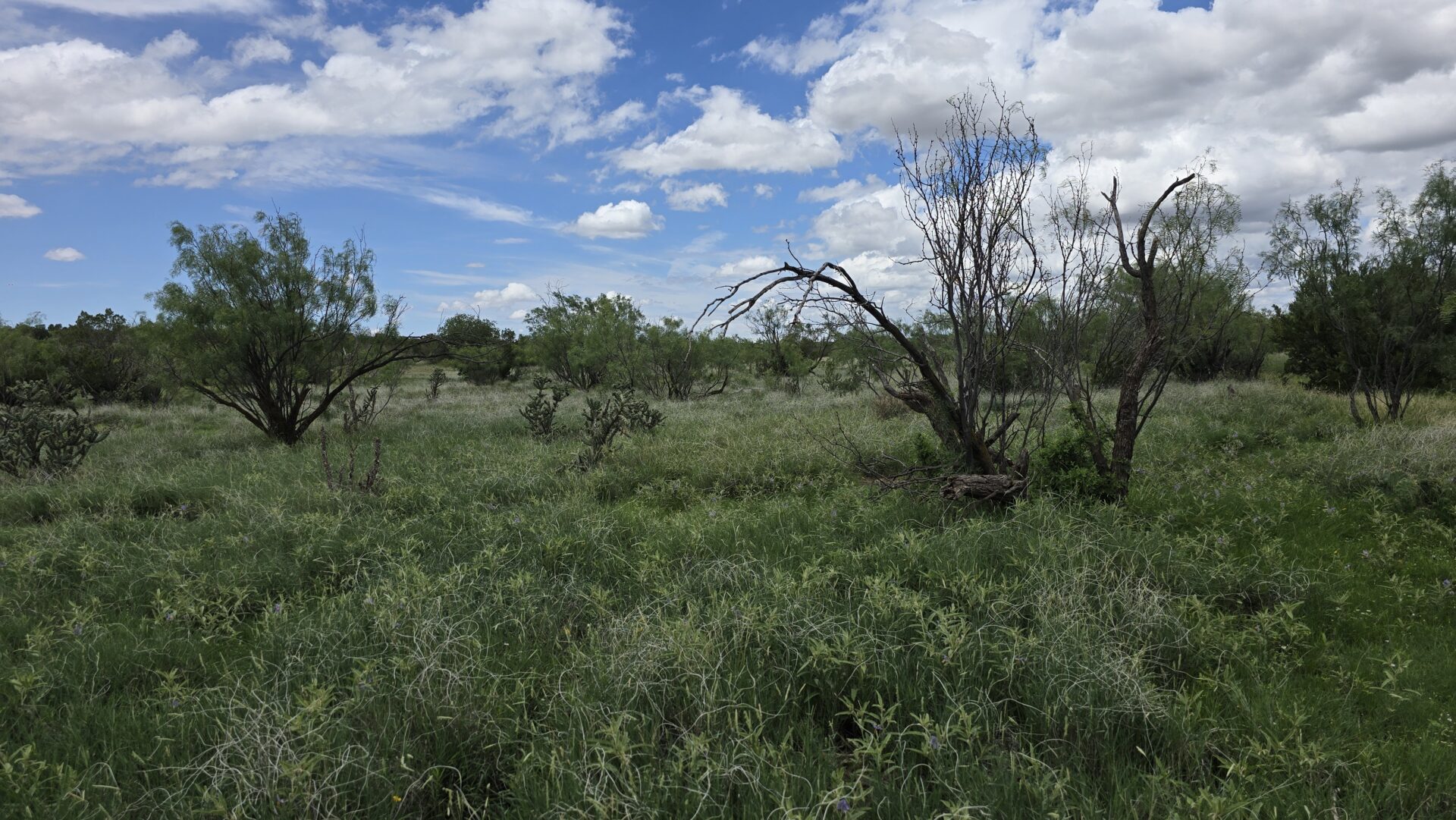
How Texas landowners can align habitat improvement, environmental documentation, and long-term conservation goals.
By Sarah Parnell, President/Co-Founder, Certified Wildlife Biologist and USFWS GCWA Permit Holder
For many Texas landowners, open land is more than a property asset. It is part of a larger ecological system that supports native grasses, trees, creeks, pollinators, birds, mammals, and the natural character that makes rural and semi-rural Texas distinctive. When properly managed, that land can also support wildlife management use under Texas 1-d-1 open-space appraisal provisions.
Wildlife management, often referred to as 1-d-1 wildlife, allows qualifying landowners to maintain a special open-space valuation while shifting the property’s primary use from traditional agricultural production to wildlife habitat management. This approach can be especially beneficial for landowners who want to preserve natural areas, improve habitat, support native wildlife, and reduce the need for intensive grazing or crop production.
For Parnell Engineering’s environmental team, wildlife management planning is more than a form or checklist. It is a practical environmental strategy that connects land use, habitat protection, regulatory awareness, and long-term stewardship.
What Is 1-d-1 Wildlife Management?
In Texas, 1-d-1 open-space appraisal allows certain qualifying farm, ranch, timber, and wildlife management lands to be appraised based on productivity value rather than market value. For landowners, this can provide meaningful property tax benefits. For the land itself, it can create an incentive to protect and enhance natural resources.
Under wildlife management use, land must generally have already qualified for open-space agricultural or timber appraisal before being converted to wildlife management. Once converted, the property must be actively managed to support a sustaining breeding, migrating, or wintering population of indigenous wildlife.
This means the landowner is not simply setting land aside and leaving it unmanaged. Wildlife management requires intentional practices, documentation, and an understanding of the habitat needs of target species. Depending on the property and its ecological region, those practices may include habitat control, erosion control, predator management, supplemental water, supplemental food, supplemental shelter, or wildlife census activities.
Why Wildlife Management Matters in Texas
Texas continues to experience rapid growth, rural land fragmentation, infrastructure expansion, and increased pressure on natural systems. As land is subdivided or converted for development, habitat corridors can be interrupted, native vegetation can be reduced, and wildlife populations can become more vulnerable to drought, invasive species, and loss of cover.
Wildlife management planning provides a way for private landowners to participate in conservation while maintaining productive use of their land. A well-prepared plan can help guide practical improvements such as brush management, native grass restoration, riparian protection, erosion repair, nesting habitat, water source improvements, and wildlife monitoring.
For landowners near growing communities, wildlife management can also serve as a bridge between rural land preservation and responsible development planning. It encourages property owners to think about drainage patterns, vegetation communities, sensitive areas, and long-term land performance before making decisions that could affect habitat or water quality.
The Role of a Wildlife Management Plan
A wildlife management plan is the foundation of a successful 1-d-1 wildlife valuation strategy. The plan identifies the property, describes existing conditions, establishes target wildlife species, outlines management goals, and documents the specific activities the landowner intends to implement.
Because Texas is ecologically diverse, a plan should reflect the property’s specific ecoregion. A property in the Edwards Plateau will not have the same habitat conditions as land in the Gulf Prairies and Marshes, South Texas Plains, Pineywoods, or Blackland Prairie. Soil type, vegetation, water availability, topography, and surrounding land use all influence what practices are appropriate.
A strong wildlife management plan should be realistic, site-specific, and defensible. It should not overpromise activities that are unlikely to be implemented. Instead, it should provide a clear path for management, annual reporting, and continued compliance with county appraisal district requirements.
Environmental Services That Support Landowners
Parnell Engineering’s environmental services can support landowners, developers, and public-sector clients by helping them better understand the environmental conditions that affect land management decisions. For wildlife management planning, this may include site reconnaissance, habitat observations, mapping support, documentation of existing conditions, coordination with applicable guidance, and preparation of clear written materials that support the landowner’s management objectives.
In many cases, a wildlife management plan can also work alongside other environmental considerations. These may include wetlands, streams, floodplains, threatened and endangered species habitat, erosion-prone areas, and sensitive vegetation communities. Understanding these features early can help landowners avoid costly mistakes and make better decisions about improvements, access routes, fencing, brush clearing, water features, or future development concepts.
This is especially important in Texas, where environmental planning often intersects with stormwater management, drainage, permitting, and site development. A property that is managed for wildlife today may later require careful planning for utilities, access roads, detention facilities, or construction limits. Early environmental documentation can help reduce risk and preserve options.
Common Wildlife Management Activities
Wildlife management activities vary by property, but they generally fall into several recognized categories. Habitat control may include managing invasive plants, restoring native vegetation, or improving the balance of brush and open areas. Erosion control may include stabilizing disturbed areas, protecting drainage features, or reducing sediment movement. Supplemental water may involve maintaining ponds, troughs, guzzlers, or other water sources that support wildlife during dry periods.
Supplemental shelter can include nest boxes, brush piles, native plantings, or other habitat structures. Wildlife census activities may involve surveys, observation logs, camera monitoring, bird counts, or other documentation that helps track wildlife use. These activities are not only important for valuation purposes, they also help landowners understand whether their management practices are working.
The best plans are not generic. They are tailored to the land, the target species, and the landowner’s long-term goals.
Documentation Is Essential
A wildlife management plan should be supported by consistent documentation. Landowners may need to maintain records of completed activities, photographs, receipts, maps, wildlife observations, and annual reports. This documentation can be important if the county appraisal district requests proof that the land is being actively managed.
Good documentation also helps landowners evaluate progress. Over time, records can show whether habitat improvements are supporting more wildlife activity, whether erosion repairs are holding, whether supplemental water is being used, or whether additional management practices are needed.
A Practical Path Forward
For Texas landowners, 1-d-1 wildlife management can be a valuable tool for aligning property tax valuation, conservation, and responsible land stewardship. However, success depends on careful planning, realistic implementation, and ongoing documentation.
Parnell Engineering’s environmental team understands that every property is different. By combining environmental awareness with practical planning, Parnell can help landowners and project teams better understand site conditions, identify opportunities for habitat improvement, and prepare management strategies that support both compliance and conservation.
Wildlife management is not simply about preserving land as it is. It is about improving how land functions over time. With the right plan in place, landowners can protect natural resources, support native wildlife, and contribute to a more resilient Texas landscape.
Interested in Learning More? Contact Parnell Engineering & Environmental
For questions about Wildlife Management, reach out to Sarah Parnell with Parnell Engineering & Environmental. Sarah and her team specialize in environmental due diligence and regulatory compliance for land developers, engineers, and property owners throughout Central Texas.
Sarah Parnell, Parnell Engineering & Environmental
Phone: 737-213-8557
Email: sarah.parnell@parnellengineeringinc.com
Disclaimer: This blog is intended for general informational purposes only and does not constitute legal or regulatory advice. Project-specific environmental compliance requirements should be determined in consultation with a qualified environmental professional and, where applicable, the U.S. Fish and Wildlife Service.
Related Articles
Beneath I-35: Austin’s Bold Flood Resilience Vision
For Austin and the surrounding Central Texas region, the benefits are tangible. A more resilient I-35 corridor supports mobility and commerce. Better stormwater infrastructure reduces flood exposure. Photo Credit: TxDOT By Will Parnell, PE - Parnell Engineering,...
What Is a Water Master Plan and Does Your City Need One?
As Texas faces historic drought conditions and relentless population growth, water planning isn't optional it's survival. By Will Parnell, PE - Parnell Engineering, Inc. Texas is no stranger to water challenges. But right now, communities across the state are facing a...

From Raw Land to Build Ready: A Developer’s Guide to Site Development in Texas
Whether you're buying your first tract of land or expanding an existing portfolio, understanding the site development process before you invest can save you time, money, and a great deal of frustration. By Will Parnell, PE - Parnell Engineering, Inc. Owning land in...