March through August brings critical federal protections that can directly impact your project timeline — here’s how to plan ahead.
By Sarah Parnell, Certified Wildlife Biologist and USFWS GCWA Permit Holder
If you’re planning land development, site clearing, or construction activity in Central Texas, one small bird can have a very big impact on your schedule. The Golden-Cheeked Warbler (Setophaga Chrysoparia) — or GCWA — is a federally listed endangered songbird whose breeding and nesting season runs generally from March 1 through August 31 each year. During this window, protections under the Endangered Species Act (ESA) become highly relevant to anyone clearing land in the Texas Hill Country and surrounding areas. Understanding these protections — and planning around them — is essential for avoiding costly delays, legal liability, project disruption and also provides appropriate land stewardship.
Meet the Golden-Cheeked Warbler
The Golden-Cheeked Warbler is one of the most range-restricted songbirds in North America. It holds the distinction of being the only bird species that nests exclusively in Texas — and even more specifically, only in a narrow band of the Ashe juniper (cedar) and oak woodlands of the Edwards Plateau and surrounding Hill Country region.
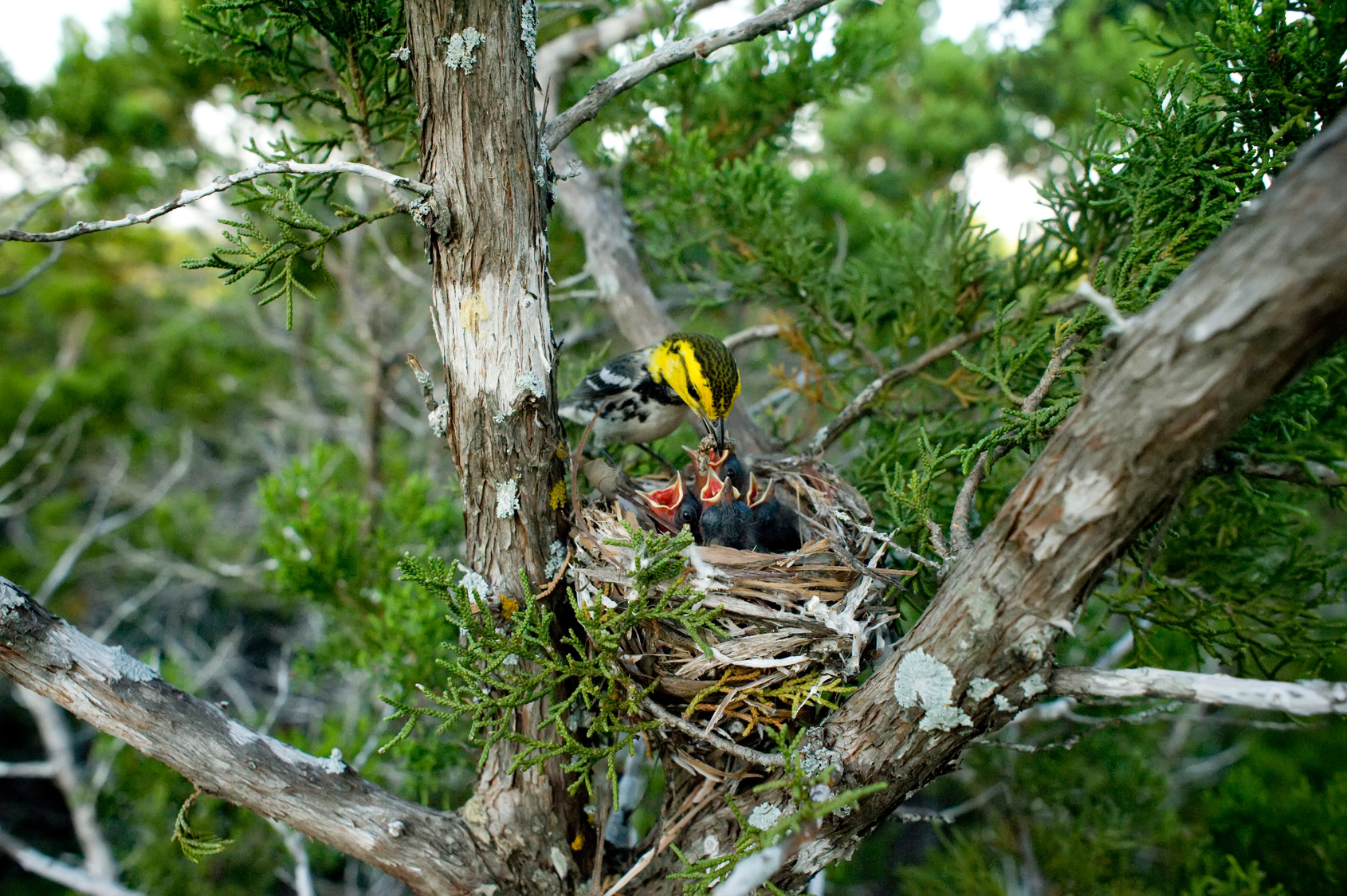
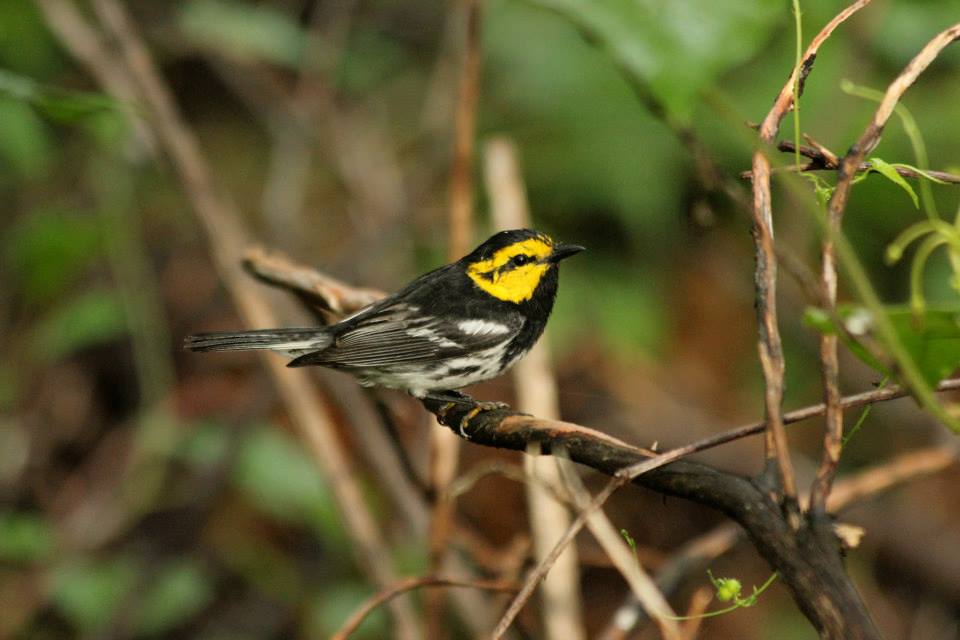
The warbler is a small but striking bird. Males are easily identified by their bold black-and-white plumage and brilliant golden-yellow cheek patches that give the species its name. Females display a more muted version of the same pattern. Both sexes are roughly 4.5 inches in length — small enough to be easily overlooked, but significant enough to carry serious federal protections.
Migration History and Range
Each spring, Golden-Cheeked Warblers make a remarkable journey from their wintering grounds in southern Mexico, Guatemala, Honduras, and Nicaragua to the same juniper-oak woodlands where they were born. They are highly site-faithful, meaning individual birds return to the same breeding territories year after year — sometimes to the very same tree.
The birds typically begin arriving in Central Texas as early as late February, with peak arrival occurring in early to mid-March. After breeding season concludes, adults and juveniles begin departing in late July, with most individuals having left Texas by mid-August. Their entire world breeding range is contained within approximately 33 counties in Central Texas — making the protection of that habitat critically important to the species’ survival.
The primary counties where GCWA activity is most commonly documented include Travis, Hays, Williamson, Comal, Kendall, Kerr, Bexar, Gillespie, Blanco, Burnet, and Mason counties, among others. Habitat assessments are strongly recommended for any property located within or adjacent to these areas.
|
Did You Know? The Golden-Cheeked Warbler was listed as Endangered under the U.S. Endangered Species Act in 1990. The U.S. Fish and Wildlife Service estimates that the breeding population numbers between 9,600 and 32,000 individuals — a wide range that reflects the difficulty of surveying this secretive species in dense cedar-oak woodlands. |
Why Ashe Juniper Matters
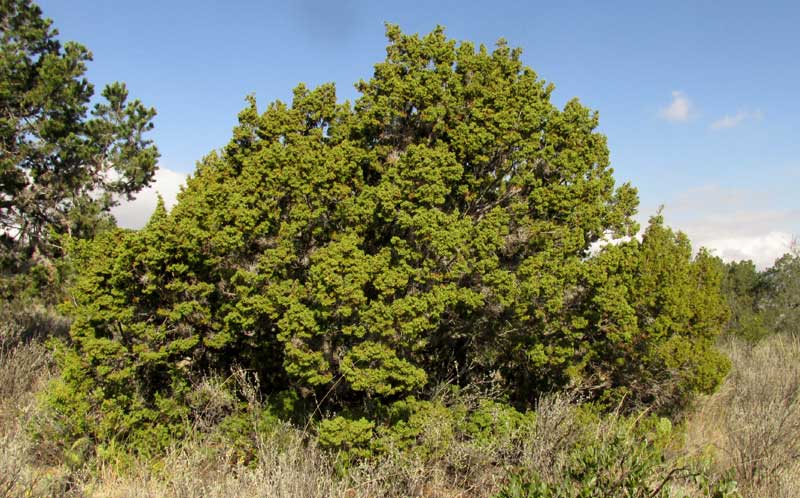
The Golden-Cheeked Warbler has a unique nesting dependency: it relies almost exclusively on the bark of mature Ashe juniper trees (commonly called cedar in Texas) to construct its nests. The female warbler carefully strips long, curling strips of juniper bark to weave together a compact, cup-shaped nest, which she then lines with animal hair, spider webs, and feathers. This behavior makes mature juniper trees irreplaceable — younger trees do not produce the same exfoliating bark, which means second-growth or recently cleared land does not provide suitable habitat for decades.
Loss of mature juniper-oak woodland — primarily driven by land clearing for development, agriculture, and brush management — is the primary threat facing the species. This is precisely why federal protections are so targeted during the nesting season.
Federal Protections and What They Mean for Your Project
The Endangered Species Act (ESA) Section 9 prohibits the “take” of any federally listed species. In practice, “take” is broadly defined and includes not just direct harm or killing of individual birds, but also habitat modification that significantly impairs breeding, feeding, or sheltering. During the nesting season, the U.S. Fish and Wildlife Service (USFWS) considers land clearing activities within potential GCWA habitat to constitute potential “take” — and violations can carry serious civil and criminal penalties.
If your project involves federal permits, federal funding, or land on federal property, Section 7 of the ESA also applies — requiring formal consultation with the USFWS before project activities can proceed.
✔ What You Should Do
- Commission a GCWA habitat assessment early in the due diligence phase of your project, well before any planned clearing activities.
- If suitable habitat is identified on your property, engage a qualified wildlife biologist to conduct formal GCWA surveys in accordance with USFWS survey protocols.
- If suitable habitat or breeding birds are not found on your property, plan clearing and grubbing activities outside the nesting window — ideally complete all vegetation removal before March 1 or after August 31. Early due diligence is key.
- Consult with an environmental compliance professional or your civil engineer’s environmental team to understand your project’s exposure and options before finalizing site plans.
- Assess whether an Incidental Take Permit (ITP) is required through public projects (Section 7) or private (Section 10).If a Biological Assessment is required, complete it before applying for permits that may trigger Section 7 consultation under NEPA.
- If an ITP is warranted, and a Regional Habitat Conservation Plan is available in your area, participation in a conservation program can streamline fees and time delays and provide you with incidental take protections if warranted.
- Explore whether portions of your site can be designed around sensitive habitat to reduce the project’s ESA footprint.
- Keep detailed documentation of all environmental consultations, survey results, and communications with regulatory agencies.
- Notify your project team — including contractors and subcontractors — of the nesting season timeline and clearing restrictions well in advance of project mobilization.
✘ What You Should Not Do
- Do not clear, grub, or remove Ashe juniper or oak woodland vegetation between March 1 and August 31 if suitable GCWA habitat may be present on-site.
- Do not assume your property is free of GCWA habitat without a formal assessment — visual similarity to known habitat areas does not guarantee absence.
- Do not rely on county or city records alone to determine ESA exposure; federal protections apply regardless of local zoning or permitting status.
- Do not proceed with clearing under the assumption that birds are “probably not there” — USFWS will not accept this as a defense in an enforcement action.
- Do not wait until permits are approved to begin thinking about wildlife compliance — ESA issues discovered late in the process are far more expensive to resolve.
- Do not allow contractors to begin clearing work without confirming the approved clearing window and any habitat boundaries established by your biologist.
- Do not dismiss complaints or observations from neighbors or adjacent landowners regarding bird activity — document and report them to your environmental consultant.
|
⚠ Important: Nesting Season at a Glance Nesting Season: March 1 – August 31 | Penalties for unpermitted take of listed species under the ESA can reach up to $50,000 per violation per day for civil violations, and up to $50,000 and one year imprisonment per violation for criminal violations. |
What Happens If GCWA Habitat Is Found on Your Property?
Discovering suitable or occupied GCWA habitat on your property does not necessarily mean your project is stopped — but it does mean that additional steps are required. Options available to property owners and developers may include:
- Adjusting project design to avoid or minimize habitat impacts.
- Pursuing an Incidental Take Permit (ITP) through the USFWS, which requires the preparation of a Habitat Conservation Plan (HCP) outlining how impacts will be minimized and mitigated.
- Participating in a regional or county-level Habitat Conservation Plan if one has been established for your area.
- Purchasing mitigation credits through an approved GCWA conservation bank or mitigation program, where available.
- Conducting project activities only during the approved clearing window (September 1 through the last day of February) in a manner consistent with USFWS guidance.
- Consider incorporating endangered species management into a wildlife management plan.
- Large scale property owners can participate in mitigation banking through conservation easements.
Every project is different, and the right path forward depends on the size and quality of the habitat on-site, the scope of proposed impacts, and project timelines. Early consultation — with both your environmental team and the USFWS — is always the most cost-effective approach.
The Bottom Line for Developers, Realtors, and Site Teams
Environmental compliance is not a hurdle to jump over — it is a critical component of project planning that, when addressed proactively, protects your investment and your schedule. The Golden-Cheeked Warbler nesting season is a known, predictable constraint. Unlike weather delays or supply chain issues, it can be planned around with confidence — if you start early enough.
Whether you are a land developer evaluating a new acquisition, a realtor advising clients on Hill Country properties, or a site engineer preparing construction documents, understanding the GCWA nesting season timeline should be part of your standard due diligence process for any project in Central Texas.
Work with a qualified environmental consulting team and integrate wildlife compliance into your project schedule from day one. The cost of early action is almost always a fraction of the cost of a late discovery.
Ready to Get Started? Contact Parnell Engineering & Environmental
For questions about Golden-Cheeked Warbler habitat assessments, ESA compliance, or environmental consulting services for your next project, reach out to Sarah Parnell with Parnell Engineering & Environmental. Sarah and her team specialize in environmental due diligence and regulatory compliance for land developers, engineers, and property owners throughout Central Texas. Don’t wait until nesting season is already underway — early consultation is the smartest investment you can make for your project’s timeline and budget.
Sarah Parnell, Parnell Engineering & Environmental
Phone: 737-213-8557
Email: sarah.parnell@parnellengineeringinc.com
Disclaimer: This blog is intended for general informational purposes only and does not constitute legal or regulatory advice. Project-specific environmental compliance requirements should be determined in consultation with a qualified environmental professional and, where applicable, the U.S. Fish and Wildlife Service.
Related Articles
Wildlife Management Plans and 1-d-1 Valuation: Turning Land Stewardship into Long-Term Habitat Value
How Texas landowners can align habitat improvement, environmental documentation, and long-term conservation goals. By Sarah Parnell, President/Co-Founder, Certified Wildlife Biologist and USFWS GCWA Permit Holder For many Texas landowners, open land is more than a...
Beyond the Pipe: How Green Stormwater Infrastructure Is Changing the Way Texas Communities Manage Water
By Will Parnell, P.E. and Sarah Parnell When most people think about stormwater management, they picture underground pipes, concrete channels, and detention ponds tucked behind strip malls. For decades, that conventional "gray infrastructure" approach was the...
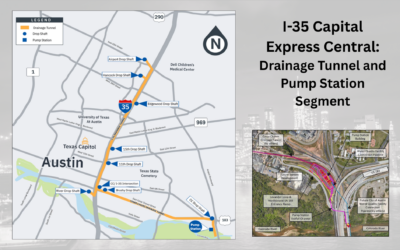
Beneath I-35: Austin’s Bold Flood Resilience Vision
For Austin and the surrounding Central Texas region, the benefits are tangible. A more resilient I-35 corridor supports mobility and commerce. Better stormwater infrastructure reduces flood exposure. Photo Credit: TxDOT By Will Parnell, PE - Parnell Engineering,...